

New Book Challenges the Scientific Consensus on Acetaminophen and Autism
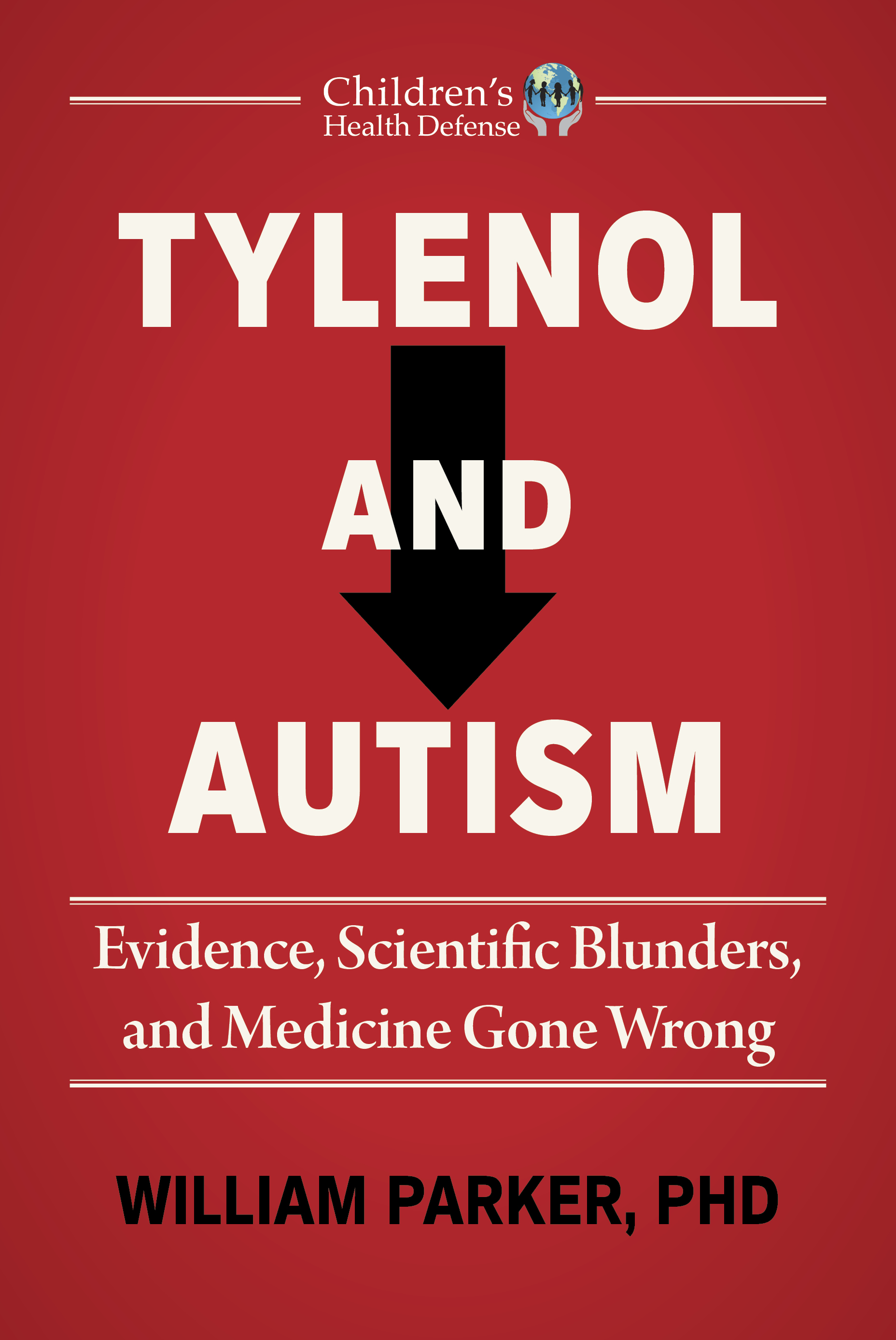
Tylenol and Autism Book Cover
Researcher William Parker, PhD, argues that the debate over Tylenol and autism has overlooked a broader body of scientific evidence.
DURHAM, NC, UNITED STATES, July 21, 2026 /EINPresswire.com/ -- Tylenol and Autism: Evidence, Scientific Blunders, and Medicine Gone Wrong, a new book by biomedical researcher William Parker, PhD, presents an in-depth examination of one of the most debated questions in modern medicine: does acetaminophen (Tylenol/Paracetamol) exposure contribute to autism in biologically susceptible children?
As Tylenol and Autism explains in detail, the studies of today thought to be the most rigorous and well controlled lead to the conclusion that acetaminophen and autism are not connected. But tragically, those studies are the result of a glaring, sophomoric blunder that took root in the field more than a decade ago.
Examining an array of scientific evidence, Tylenol and Autism points away from pregnancy, where the current focus of the debate lies. Parker directs our focus to a wide range of scientific evidence indicating that labor and delivery and early childhood are the periods of greatest concern.
This book is for those who believe that the medical and scientific establishments of today can’t be wrong. It is for those who believe that the most popular drug used in pediatric practice today could possibly cause autism. This book is eye opening.
Parker exposes crippling errors in the science behind the belief that acetaminophen does not pose any risks during pregnancy and early childhood, and provides a behind-the-scenes look at conversations with today’s gatekeepers of medical knowledge, revealing bias and a willful blindness to scientific evidence.
Parker describes 30 distinct lines of scientific evidence from toxicology, pharmacology, epidemiology, laboratory animal research, and medical science, all pointing to one inescapable conclusion: exposure of susceptible individuals to acetaminophen, the active ingredient in Tylenol, is responsible for many if not most cases of autism.
Tylenol and Autism is grounded in decades of scientific research, but is far from a medical or scientific textbook. The book, written in a conversational style with minimal medical jargon, is accessible to parents, healthcare professionals, policymakers, and anyone interested in understanding the science behind the controversy.
This book reveals a discussion about Tylenol and autism ridden with errors and emotion among the intellectual aristocracy of our universities and medical centers. As Parker noted in an interview for this news release: “We have a problem. A coherent scientific model based on multiple lines of evidence from multiple fields of science is being ignored as everyone clings to one bit of evidence that, while comforting, is proven to be invalid."
Beyond reviewing scientific evidence with minimal medical and scientific jargon, Tylenol and Autism examines how medical consensus is formed. Parker discusses methodology, peer-review practices, publication bias, and conflicts of interest that have influenced the scientific discussion surrounding acetaminophen safety for more than a decade, allowing errors to survive that should have long ago been weeded out of our scientific discourse.
Finally, Tylenol and Autism describes changes in medical practice expected to dramatically reduce the prevalence of autism. It’s a must-read for those interested in the health of our babies and children.
William Parker earned a PhD in Chemistry in 1992 and then worked for more than 27 years at Duke University, studying transplantation biology, chronic immune dysfunction, and autism spectrum disorder. He is best known for discovering the function of the human appendix as a safe house for beneficial bacteria, uncovering the beneficial effects of some intestinal worms for mental health, and being the first to compare immune function in wild and laboratory animals. In 2001, he transitioned from Duke to WPLab, a private, non-profit company focused on research and education, and he is currently a visiting scholar at the University of North Carolina, Chapel Hill.
Tylenol and Autism: Evidence, Scientific Blunders, and Medicine Gone Wrong is now available through major booksellers.
Chanmolis Mout
WPLab
+1 540-206-7392
chanmolismout@williamparkerlab.org
Visit us on social media:
Instagram
Facebook
YouTube
X
Legal Disclaimer:
EIN Presswire provides this news content "as is" without warranty of any kind. We do not accept any responsibility or liability for the accuracy, content, images, videos, licenses, completeness, legality, or reliability of the information contained in this article. If you have any complaints or copyright issues related to this article, kindly contact the author above.
